

CLUBHOUSE • 2025
OVERVIEW
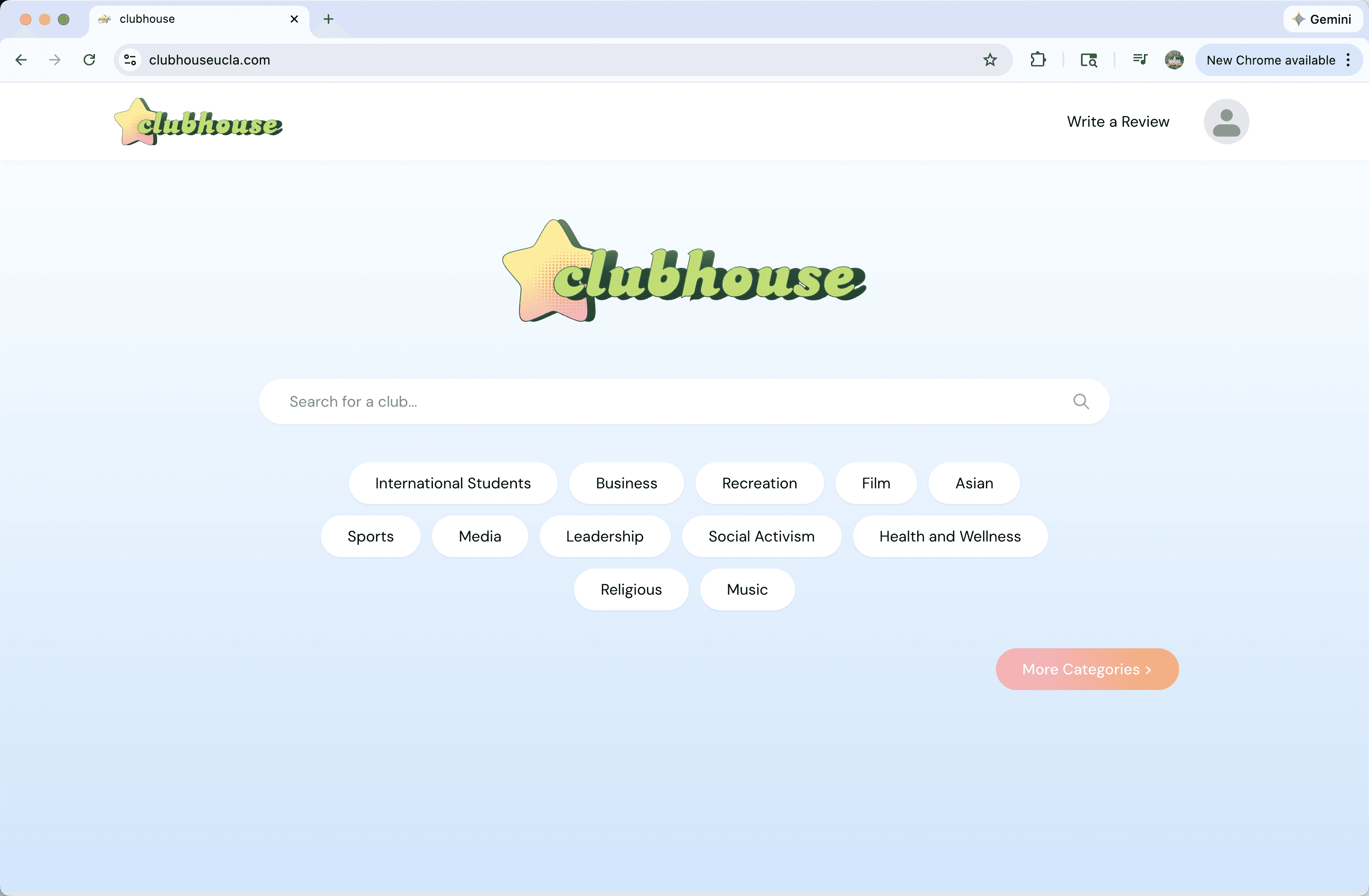
Clubhouse is a student run web platform that allows students to anonymously discover, rate, and review clubs at UCLA. Students can access personal testimonies from others who have participated in the club they are interested in encouraging to make informed decisions in investing in what clubs offers.
Having to come to UCLA, I faced challenges in discovering clubs with various tabs on social media, collecting flyers, gambling what clubs to prioritize, and etc. To gain more insight on students experiences, I am eager to explore how others navigate discovering clubs, and address efficiency for over 30K students!
THE PROBLEM

💡
THE CHALLENGE
Transform the scattered process of student reviews into a centralized platform that makes sharing experiences and ratings that are simple, reliable, and actionable for UCLA students.
INTRO
Design Process
1
Research
User Interviews
Usability Test
2
Synthesis
User Persona
3
Design
Userflow
Low Fidelity
4
Iteration
Userflow
Low Fidelity
5
Reflection
Userflow
Low Fidelity
RESEARCH
User Interviews
In order to learn more about the current Clubhouse experience we interviewed 40+ UCLA students that are involved in on campus clubs.


RESEARCH
Identifying User Needs
The insights not just gave us an opportunity to improvise the experience but also helped us revamp the entire application for better clarity to serve the users better.
RESEARCH
User Persona
I create a persona that reflects the majority of UCLA students, which are defined by ambition in their studies/extracurriculars.

RESEARCH
User Pain Points
We concluded our research on prioritizing the main user pain points to improve functionality.
1)
Lack of Context for Rating Systems
The star rating system for clubs lacks sufficient context and explanation, leaving users uncertain about its meaning and reliability.
2)
Unclear and Unstructured Review Submission Process
The review submission page lacks clear instructions and guidance, causing users to feel uncertain about what information is required and what is optional.
3)
Confusion Around the "Experiences" Tab
The Experiences tab is misunderstood by participants, with many unable to grasp its purpose or how it functions as a filter.
IDEATION
Low Fidelity Design
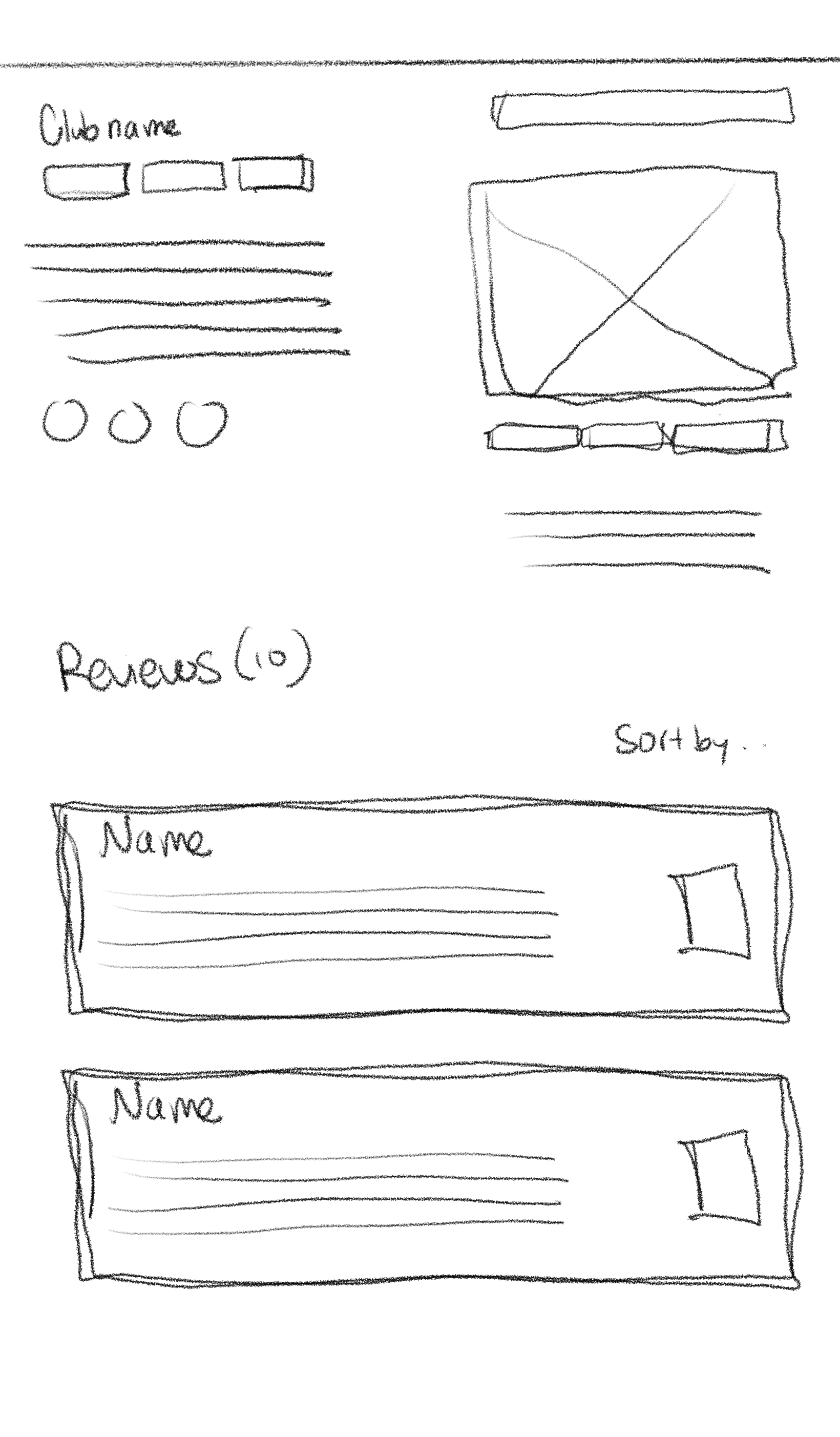
Understanding the pain points allowed us to ideate sketches on the basic user flow without distraction of the visual details. These sketches were adjusted to make improvements on key features and user pain points.
Filter- Landing Page

Club Discovery

Club Browsing
Category Feature

IDEATION
Mid-Fidelity Design
We further solidified the designs into digital frames where short descriptions and icons represented the functionality of the website.
Hero

Review a Club

Sign In

Browsing

Discovery

DESIGN
High-Fidelity Design
Following our mid-fidelity wireframes, we refined interactions, visual hierarchy, and branding elements to deliver our final high-fidelity designs.


Landing

Club Discovery

Review a Club
Club Browsing
RESEARCH
Redefining Goals
Rather than treating the launch as the final milestone, I revisited our goals for Clubhouse and identified opportunities to further strengthen student engagement.
Resonate Emotions
reflect students’ first experiences and emotions encouraging positivity and creating excitement around finding new opportunities
Consistency
The website overall has the opportunity to be more well organized to reduce overwhelming emotions from users.
Engaging Features
Our team aimed to enhance personalization by suggesting a profile page that includes features like liking and saving content.
RESEARCH
Redefining Research
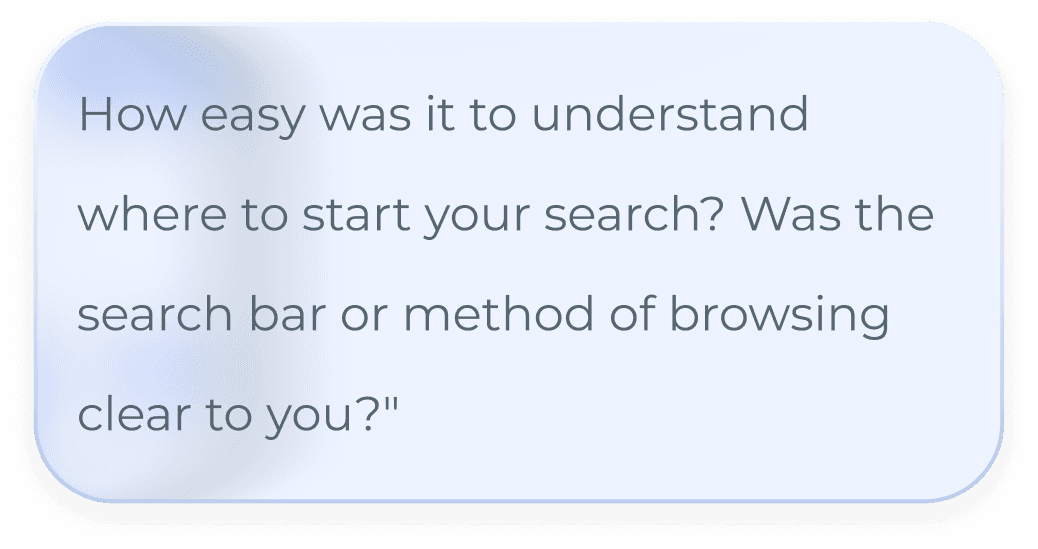
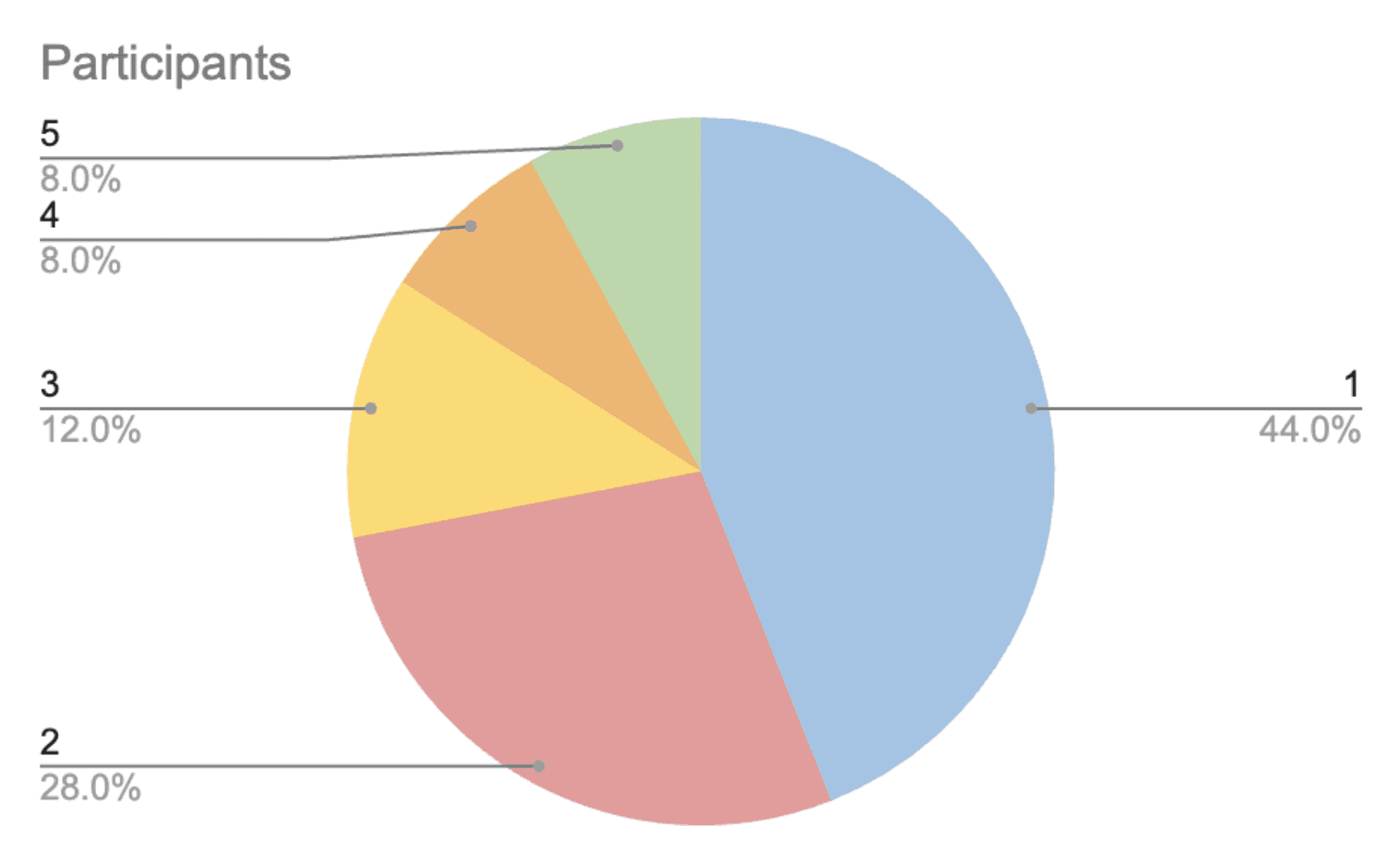
To better understand the Clubhouse experience and improve iteration, I revisited user research and conducted user interviews. We had 25 UCLA students interviewed on their experiences with the high fidelity designs. We’ve collected quantitative data using a 1-5 scale, with 1 being the easiest and 5 the hardest.


RESEARCH
Addressing the Issue
These were the key issues we planned to address and improve.
1)
Lack of Context for Rating Systems
The star rating system for clubs lacks sufficient context and explanation, leaving users uncertain about its meaning and reliability.
2)
Unclear and Unstructured Review Submission Process
The review submission page lacks clear instructions and guidance, causing users to feel uncertain about what information is required and what is optional.
3)
Confusion Around the "Experiences" Tab
The Experiences tab is misunderstood by participants, with many unable to grasp its purpose or how it functions as a filter.
ITERATION
Iterating Mid-Fidelity Designs
Concluding the research, I iterated the mid-fidelity designs to build a solid structure of the navigation while accounting for the findings.

Landing
Club Browsing

Club Discovery


Review a Club
Profile
IDEATION
Design System
I build a foundational, consistent identity for Clubhouse which include colors, typography, logo design, and more. Evoking students at UCLA to feel excited about clubs was my main goal throughout this process.

DESIGN
Final Design
With the final designs completed, we were able to blur the line between club discovery and building a foundational community for students to support one another.


01 Club Discovery


02 Write a Review & User Profile


03 Club Reviews & Ratings
ITERATION
Iteration Highlights
Throughout the redesign, we allowed students and team members to critique our work to strengthen usability.


REFLECTION
Key Insights
1
Understanding the Purpose
t's inevitable that everyone, including designers, has their own design preferences, which can be a valuable asset when building a brand, but it’s also something to be mindful of. As straightforward as it may seem, I've noticed that designers sometimes lose sight of the website's core purpose and its intended audience. When designing, it’s crucial to approach it as a solution with the audience in mind. Our personal design preferences and biases can sometimes overshadow the actual goal of creating the website in the first place.
2
Branding is a Good Foundation for the Look and Feel
Reflecting on my time with Clubhouse, I realize that our initial final designs were rushed to meet the project deadline. Looking back, I now understand that branding plays a crucial role as the foundation for building trust with users, establishing recognition, and fostering an emotional connection.
2
Communication is Absolutely Necessary
Effectively communicating can ensure the best satisfaction in turning a project to the next big thing. To reflect on my experiences with my team, I want to enact effective communication to not only improve design but also improve as a team.


LETS MAKE A CONNECTION 🥳
RESUME